UK Housing Market June 2026: Why 60% of 2026 Listings Haven't Sold
13 min read · 2752 words
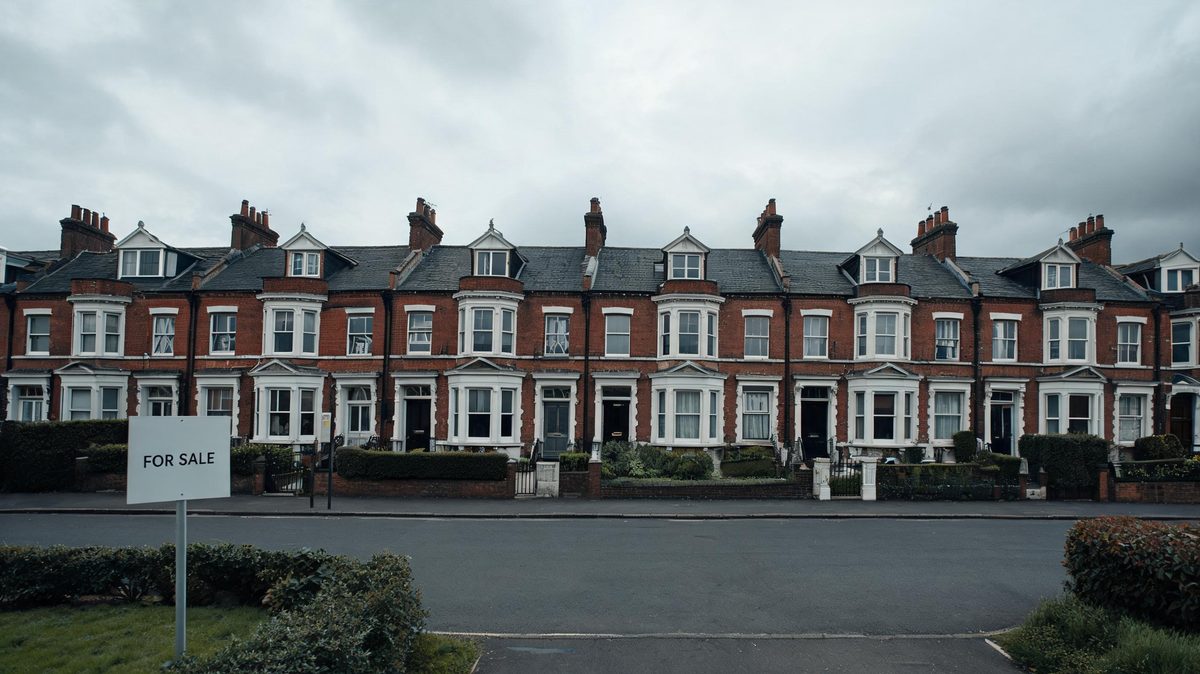
Sixty percent of all UK homes listed for sale since January 2026 remain unsold as of the end of June, per newly published data from Zoopla’s June 2026 House Price Index. The metric signals a sharp reversal of the modest price gains recorded in May 2026, when temporary dips in mortgage rates pushed monthly average home prices up 1.5% to £271,900. The slowdown has been cross-verified by Reuters and multiple financial news outlets, aligning with broader concerns about stretched household affordability and policy ambiguity heading into the second half of 2026. First-time buyers, who paid an average of £254,750 in May 2026, a 4.3% year-on-year rise, are particularly exposed to the latest cost headwinds.
What Zoopla's June 2026 Report Actually Says
Zoopla’s June 2026 House Price Index, published 30 June 2026, tracks three core metrics that point to broad market cooling. Over the four weeks prior to publication, UK home sales volume fell 7% year-on-year, while overall buyer demand dropped 15% over the same 12-month period. Most 60% of all properties listed for sale since the start of 2026 have not gone under offer, a far higher unsold inventory rate than recorded in the first half of 2025. The report directly ties the slowdown to two primary drivers: persistently high mortgage rates, and ongoing political uncertainty tied to the recent change in Prime Minister and unclarified tax and spending priorities for the upcoming Autumn Budget. Full details of the index are available at https://www.zoopla.co.uk/discover/property-news/house-price-index/.
The £125-a-Month Reality Check for Buyers
### The 125 Pound Reality The most tangible affordability shock captured in Zoopla’s June 2026 analysis stems from the roughly £125 increase to the typical monthly mortgage payment recorded in recent months, directly triggered by April 2026’s rise in UK mortgage rates to 5%. For context, an illustrative example of a buyer taking out a 25-year repayment mortgage for a £250,000 home with a 15% deposit demonstrates how this seemingly incremental jump can push already stretched household budgets to breaking point: that extra £125 per month adds up to £1,500 in extra housing costs annually, before accounting for other rising household expenses. This shift lands as already cooling market conditions weigh on activity: buyer demand is down 15% year on year, while sales volume has dropped 7% over the same period, and 60% of homes listed since January 2026 (or 3 out of 5) remain unsold. For first-time buyers, who paid an average of £254,750 for a home in May 2026, up 4.3% year on year, the extra £125 in monthly costs often comes on top of already stretched debt-to-income ratios. Many are now failing lenders’ standard mortgage stress tests, which require applicants to prove they could afford payments if rates rise further, leading a notable share of prospective buyers to withdraw from the market entirely. Even for buyers who still qualify, the added monthly cost is leading many to lower their offer amounts or pause their searches entirely, even as average home prices rose 1.5% month on month in May 2026 to £271,900, creating a growing disconnect between seller price expectations and buyer purchasing power.
Regional Breakdown: Why the North Is Holding Up Better
Zoopla's June 2026 House Price Index points to a meaningful regional divergence in how the slowdown is playing out. Sales volumes have fallen most sharply across the South of England, where higher average asking prices, larger absolute loan sizes, and therefore larger absolute increases in monthly mortgage payments have squeezed affordability hardest. In London and the South East specifically, the report notes that buyer pullback has been most visible, with a meaningful share of homes listed in early 2026 still failing to attract offers. By contrast, the North of England and Scotland have weathered the same rate environment far better. Two factors stand out in the report. First, average property prices in these regions are lower in absolute terms, so the £125 monthly payment increase translates into a smaller percentage of household income for the typical buyer. Second, supply remains constrained in many northern and Scottish markets, with fewer competing listings than in the South — meaning sellers retain more pricing power and chains are less fragile. The legal implication for cross-border investors is that headline national figures (7% sales drop, 15% demand drop) mask very different market dynamics by postcode. Anyone evaluating a UK acquisition in the second half of 2026 should request region-specific data, not just national averages, before structuring an offer.
Legal Risks in a Slow Market (What Generalists Miss)
From a legal perspective, the June 2026 Zoopla UK Housing Market Report signals a marked rise in transactional risks for buyers, sellers, and developers alike, rooted in the reported 7% year-over-year drop in sales volume, 15% year-over-year decline in buyer demand, and the 60% of homes listed since January 2026 that remain unsold. The April 2026 rise in UK mortgage rates to 5%, which added approximately £125 to the typical monthly mortgage payment, combined with May 2026’s average home price of £271,900 (a 1.5% month-over-month increase) and first-time buyers’ average May purchase price of £254,750 (a 4.3% year-over-year rise), has amplified pressure on already fragile transaction chains. Stalled chains are increasingly common across most regional markets, as wavering buyer confidence leads many purchasers to reassess offers at the eleventh hour, raising gazundering risks that conveyancers are frequently reporting. Sellers should note that gazundering, while not illegal, can derail months of transaction progress, and legal teams advise inserting lock-in provisions where appropriate to mitigate avoidable losses. Mortgage offer expiries are another growing concern, given standard UK mortgage offer windows of 3 to 6 months. Many buyers who secured offers before the April 2026 rate hike are now facing expiries that will require them to reapply for loans at the higher 5% rate, a shift that can make previously agreed-upon purchases unaffordable and collapse transactions. For an illustrative example, a buyer taking out a 25-year term mortgage on a £250,000 property would face a meaningful increase in monthly costs if their offer expires, putting their ability to proceed at risk. Off-plan buyers face elevated deposit risks as well: with slowing sales, a notable share of smaller developers are facing cash flow crunches, putting pre-completion deposits at potential risk if a firm enters insolvency before construction concludes. Persistent EWS1 form delays for high-rise and medium-rise blocks continue to hold up leasehold transactions, with many cases taking months longer to resolve than in a more active market. Conveyancing delays are also more prevalent in this slow market, as firms adjust staffing to lower transaction volumes, extending lead times and creating additional windows for transactions to fall through. All parties are advised to consult their legal representation early in the process to proactively address these risks before they escalate.
What This Means for American Readers Considering UK Property
For American readers evaluating UK property purchases, whether for investment or expat relocation, the June 2026 Zoopla report signals near-term negotiating use but notable costs to weigh for timing and purchase structure. First, the market’s current softness—marked by a 7% year-over-year drop in sales volume, 15% year-over-year decline in buyer demand, and 60% of homes listed since January 2026 remaining unsold—means sellers are frequently more open to offers below asking price, creating a favorable window for buyers who can close quickly. Financing and policy costs require careful scrutiny: April 2026 saw UK mortgage rates rise to 5%, adding roughly £125 to the typical monthly mortgage payment for domestic borrowers; as a non-UK resident, you will likely face a meaningful premium above that 5% rate for lender risk pricing, further raising monthly carrying costs. All non-resident buyers are also subject to a mandatory 5% Stamp Duty surcharge on top of standard base Stamp Duty rates, a one-time upfront cost to factor into total outlay. FX exposure remains a key consideration: while the May 2026 average UK home price hit £271,900 (a 1.5% month-over-month rise) and first-time buyers paid an average of £254,750 in May (up 4.3% year-over-year), swings between the US dollar and British pound can drastically shift the dollar-denominated cost of your down payment, purchase price, and monthly mortgage obligations if you hold dollar-denominated income or assets. If you plan to hold the property for fewer than 5 years, the combination of the Stamp Duty surcharge, elevated borrowing costs, and uncertain near-term price trajectory may outweigh current negotiating benefits for many buyers.
Frequently Asked Questions
What is causing the 2026 UK housing market slowdown?
Per Zoopla’s June 2026 report, the two core causes are high mortgage rates, which rose to 5% in April 2026, and political uncertainty tied to the recent Prime Minister change and unclarified Autumn Budget tax and spending priorities, which have made buyers hesitant to commit.
Why is the slowdown worse in South England than in the North and Scotland?
Southern regions have higher average property values, leading to larger absolute monthly mortgage increases for buyers, and higher for-sale inventory. The North and Scotland have limited supply and smaller typical mortgages, softening the downturn’s impact.
What is the near-term outlook for UK mortgage rates?
Zoopla’s report does not forecast future rate moves, but market expectations priced into swap rates suggest rates are likely to remain at or above 5% through the end of 2026, barring a sharp unexpected drop in inflation or policy shift from the Bank of England.
What should I do if I’m trying to sell my UK home right now?
Pricing your home in line with comparable recent sales in your area, rather than 2024/early 2025 peaks, will reduce time on market. You should also prepare for potential gazundering and chain delays, and consult a conveyancing solicitor early to mitigate fall-through risks.
Is now a good time to buy a home in the UK?
Buyers have more negotiating use amid high unsold inventory, but should confirm they can afford mortgage payments at current 5% rates, factor in potential future rate rises, and ensure their mortgage offer will remain valid through the expected conveyancing timeline.
Bottom Line
The data in Zoopla’s June 2026 House Price Index confirms a measurable cooling of the UK housing market, reversing the modest gains recorded in May 2026 when temporary mortgage rate dips boosted demand. The slowdown is driven by concrete, identifiable factors: higher monthly mortgage costs that have stretched household affordability, and policy uncertainty that has made both buyers and sellers hesitant to commit to long-term transactions. While southern regions are facing steeper declines, limited supply in the North and Scotland is preventing a nationwide price crash. For market participants, the greatest near-term risks are tied to transaction delays and legal vulnerabilities, rather than a catastrophic collapse in values. The trajectory of the market through the second half of 2026 will depend heavily on two factors: the Bank of England’s monetary policy decisions, and the clarity of the government’s Autumn Budget tax and spending plans.
Source: Zoopla House Price Index, June 2026 — zoopla.co.uk/discover/property-news/house-price-index/. Cross-verified with Reuters and major UK financial press, 30 June 2026.